
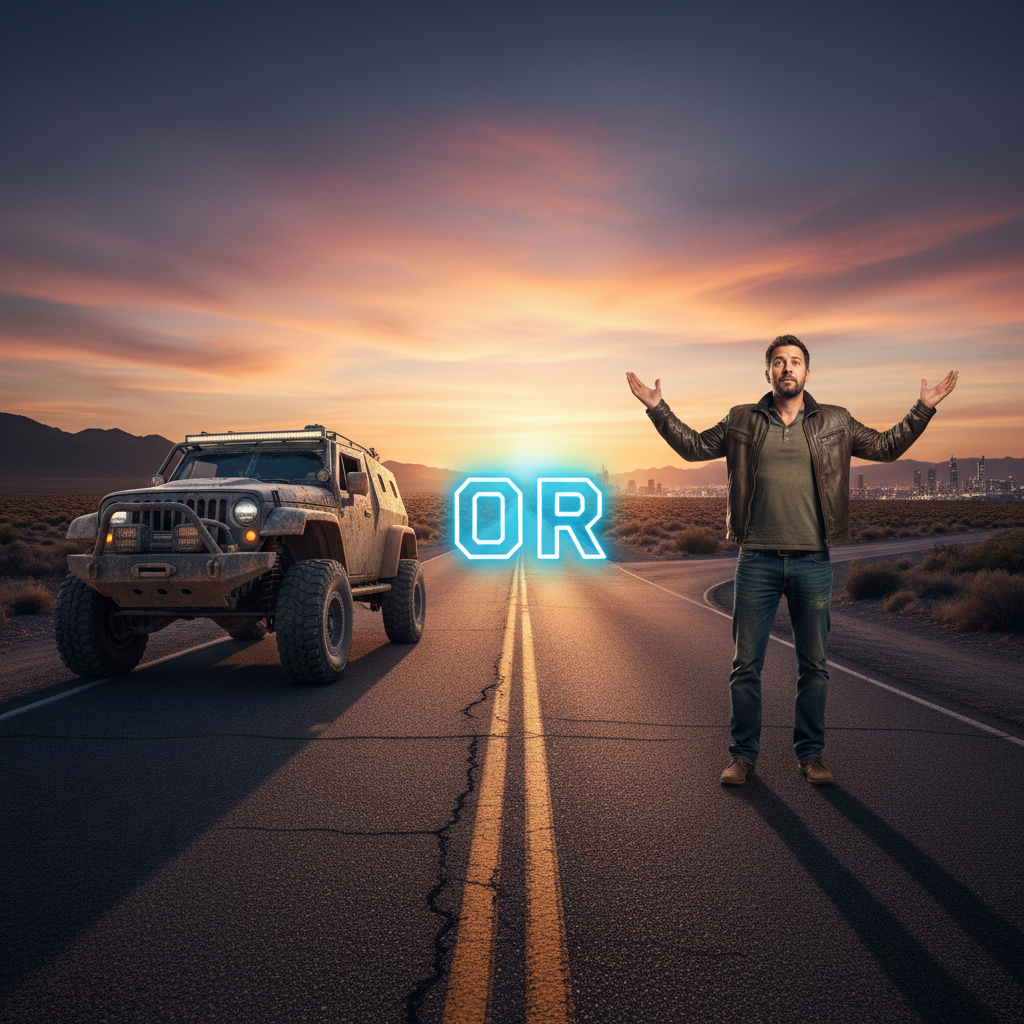
Does Auto Insurance Follow the Vehicle or the Driver?
One of the most common questions we hear at Axiom Insurance Agency is simple but important: does auto insurance follow the vehicle or the driver? The quick answer is that, in most situations, auto insurance follows the vehicle. However, the full picture includes some nuances, exceptions, and claim scenarios that every Arizona driver should understand.
In this post, we break down how coverage typically works, when it may (or may not) apply, and real-world examples to make the rules easier to follow.
Understanding How Auto Insurance Typically Works
In general, auto insurance is tied to the insured vehicle—not the person driving it. That means if someone else drives your car with permission, your auto policy usually offers the primary coverage in the event of a claim. Your coverages such as liability, collision, and comprehensive typically activate first.
However, the driver’s own insurance may still matter, as it can sometimes act as secondary or excess coverage depending on the situation.
Why Insurance Usually Follows the Vehicle
When you insure a vehicle, the insurance company evaluates its risk—from its make and model to how it’s used, where it’s located, and the household members who typically drive it. Because the car itself is the insured object, the policy is designed to protect that vehicle and the liability associated with its operation.
In Arizona, this means your vehicle’s auto insurance generally comes first in the event of an accident, even if someone else is behind the wheel.
Permissive Use: Letting Someone Borrow Your Car
Most auto policies include a “permissive use” clause. This means that if you give someone permission to drive your vehicle, your insurance covers them—up to your policy limits.
It’s important to know that some policies may reduce coverage limits for permissive drivers or exclude certain types of drivers entirely. This is why reviewing your specific policy remains essential.
Claim Scenario #1: You Let a Friend Borrow Your Car
Imagine you lend your car to a friend to run errands. While backing out of a parking spot, they accidentally hit another vehicle.
Because you gave them permission to use your car, your auto insurance policy becomes the primary coverage. Your liability coverage pays for the damage to the other party’s vehicle. If your vehicle is damaged and you carry collision coverage, your policy would handle the repair costs, minus your deductible.
If damages exceed your policy limits, your friend’s insurance could potentially provide secondary coverage—especially if they have their own auto policy.
Claim Scenario #2: Your Car Is Stolen and Involved in an Accident
Let’s say your vehicle is stolen overnight and the thief strikes another vehicle while fleeing. In this case, you did not grant permission, so permissive use does not apply.
Your liability coverage would not be responsible for the damage caused by the thief. Instead, the responsibility lies with the person who stole the vehicle. However, your own comprehensive coverage would usually pay to repair your vehicle, since theft is a covered peril.
Claim Scenario #3: Driving Someone Else’s Car
If you borrow a family member’s car and get into an accident, their insurance—which follows the vehicle—steps in first. Your own auto insurance may act as a backup, but only after the vehicle owner’s policy limits are exhausted.
For example, if you cause $40,000 of property damage but the vehicle owner’s liability limit is $25,000, your own liability coverage may help cover the remaining $15,000, depending on your policy language.
How Umbrella Insurance Fits Into the Equation
If you carry personal umbrella insurance, this additional protection follows you, the driver. If you cause a serious accident that exceeds both the vehicle owner’s policy and your own auto insurance, your umbrella policy may provide additional liability protection.
For Arizona drivers with teen drivers, business responsibilities, or high-value assets, umbrella insurance can be a smart layer of long-term protection.
When Insurance Does NOT Follow the Vehicle
Some situations prevent coverage from extending to drivers using your car:
- Excluded drivers: An excluded driver listed on your policy is not covered under any circumstances.
- Commercial use: If someone uses your personal vehicle for business purposes not listed on your policy, coverage may be limited.
- Unauthorized use: If someone takes your vehicle without permission—such as a family member taking it against your instructions—coverage may vary depending on the situation.
FAQ
Does auto insurance always follow the vehicle?
In most cases, yes. Liability, collision, and comprehensive coverages usually follow the insured vehicle, not the driver. The key exception is when your policy specifically excludes the person driving.
If someone borrows my car and crashes, who pays?
Your auto insurance is typically primary. The driver’s insurance may provide secondary coverage if damages exceed your policy limits.
What if I’m driving a rental car?
Your auto insurance often extends some coverages to rental vehicles. However, rental companies may still recommend or require additional protection. Always check with your agent to review your policy and the rental agreement.
Are permissive drivers always covered?
Usually, but not always. Some policies reduce coverage limits for permissive drivers or exclude certain categories of drivers. Review your policy to understand its limits.
Can my umbrella insurance help if I’m driving someone else’s car?
Yes. Umbrella policies follow the insured individual, not the vehicle, which means they often act as excess liability protection when you are at fault in an accident.
If you have questions about how your own auto insurance applies—as a driver or a vehicle owner—our team at Axiom Insurance Agency is here to help. We’ll walk you through your coverages, recommend the right protections, and make sure you’re prepared for the unexpected on Arizona’s roads.